Showing posts with label driving lessons nelson. Show all posts

Wednesday, 19 November 2025

DVSA Making Adjustments to the Driving Test


Learner car

DVSA Making Adjustments to the DrivingTest

DVSA launched a trial in April 2025 introducing a few subtle changes to the car driving test. The goal? To make the test experience more reflective of the current everyday conditions motorists face, and to better prepare learners for a lifetime of safe driving.  


That trial has now reached its conclusion, and these changes will become  permanent part of the driving test from 24 November 2025.  

What DVSA did and Why

The trial, which took place at 20 driving test centres across Great Britain, focused on 3 key adjustments. These were:  

  • Reducing the number of stops during the test from 4 to 3   
  • Lowering the frequency of Emergency Stop Exercises from 1 in 3 tests to 1 in 7 
  • Adding flexibility to the independent driving segment (this can be following a sat nav, traffic signs or both) to run for the full duration of the test 

These changes were designed to improve the overall flow of the test and better reflect real-world driving conditions. By putting them into place and allowing for more meaningful route planning, examiners have been able to observe learner drivers in a more natural and realistic driving environment. That’s why DVSA is rolling out the changes to all driving test centres.  

What success looks like: why these changes matter

For us, success for DVSA is about learner drivers passing their tests – and developing safer, more competent drivers.  

Making the above adjustments will helped create test routes that venture into more high-speed and high-risk areas – where location allows – and will give learners the opportunity to face a broader range of driving scenarios. The extension of independent driving will give learners more time to demonstrate their ability to follow directions independently, just like they would after passing their test.  

Also by reducing the number of stops and emergency stop exercises, the test will feel  more like a genuine drive, helping learners stay focused and relaxed during what we know can, understandably, be a nerve-wracking experience.

Feedback and benefits

Feedback from examiners who have taken part in the trial has been overwhelmingly positive. Here’s what some of them had to say:  

“The reduction in normal stops has allowed the test to flow more fluently.”  

“The trial has helped us create routes that reach new areas.”  

“Customers appear to be better prepared whilst using the sat nav.”  

 “The changes better reflect more realistic driving conditions.”  

“At first, I thought the changes were a bit unnecessary, we already had routes covering high-speed and rural roads. But including those roads in all tests, instead of relying mainly on town driving, is a much better reflection of real-world conditions.” 

How will this impact learners?  

The simple answer is it won’t. For learners, the test will still cover all the essential skills needed to drive safely and independently. The adjustments will simply make the experience smoother and more reflective of real-world driving.  

For examiners, the changes offer more flexibility in route planning and provide a better opportunity to assess learner drivers in varied conditions. 

For the public, we hope the ultimate benefit is safer, more confident new drivers on the road.  

Wednesday, 18 December 2024

DVSA PLANS TO REDUCE DRIVING TEST WAITING TIMES


DVSA sets out NEW plan to reduce Driving Test Waiting Times

www.afzal-driving-lessons.co.uk

The Driver and Vehicle Standards Agency (DVSA) has today (Wednesday 18 December 2024) set out a 7-point plan to reduce driving test waiting times, and get new drivers on road.

Lilian Greenwood, Minister for the Future of Roads, said:

Passing your driving test is a life changing opportunity for millions – but sky-high waiting times for tests in recent years have denied that opportunity to too many people.

No one should have to wait six months when they’re ready to pass, travel to the other side of the country to take a driving test or be ripped off by unscrupulous websites just because they can’t afford to wait.

The scale of the backlog we have inherited is huge, but today’s measures are a crucial step to tackle the long driving test wait times, protect learner drivers from being exploited, and support more people to hit the road.

1. Recruit and train 450 Driving Examiners

DVSA will recruit and train 450 driving examiners across Great Britain.

2. Review and improve the Rules for Booking Driving Tests

DVSA will review and improve the driving test booking system to make sure that learner drivers can book their driving test easily and efficiently.

To do this, DVSA will follow these steps:

1.   Launch a call for evidence about the current rules and processes, which DVSA has done today (18 December 2024).


2.   Analyse the evidence and develop proposals to improve the rules and booking system.


3.   Run a consultation on the proposed improved rules.


4.   Introduce the improved rules - changing the law if necessary.

This work will take time to complete, and it will take some time for learner drivers and driving instructors to see improvements. But it will help to make the system fairer for learners and better protect them from being exploited.

3. Introduce tougher terms and conditions for the service driving instructors use to book and Manage Car Driving Tests for their Pupils

These new terms and conditions will come into force on 6 January 2025.

They set out that only driving instructors or businesses that employ driving instructors can use the service to book car driving tests.

The new terms and conditions make it clear that driving instructors and businesses must not book driving tests on behalf of learner drivers they are not teaching.

They also stop driving instructors and businesses from using a learner driver’s details to book a driving test that they have no intention of that particular learner driver using. This is sometimes done to create a placeholder so the test can be swapped to another learner driver later.

If anyone breaks the terms and conditions, DVSA can:

·         issue them with a warning notice

·         suspend their account

·         close their account

4. Consult on new proposals to increase the amount of time people have to wait to book another test in certain situations

DVSA will run a consultation on new proposals to increase the amount of time people have to wait to book another test if they either:

·         make multiple serious or dangerous faults during their driving test

·         physically or verbally assault their driving examiner

·         fail to attend their driving test without telling DVSA - and consider charging them a penalty

Learner drivers currently have to wait 10 working days before being able to book another test. The consultation, which will launch at a later date, will set out the full details of the potential options.

5. Increase the amount of notice you need to give to change or Cancel a Car Driving Test without losing the fee

DVSA will increase the amount of notice people need to give to change or cancel their car driving test without losing their fee to 10 clear working days.

It’s currently set at 3 clear working days. DVSA consulted on proposals to increase this in 2022.  

This change will:

·         encourage people to change or cancel their test sooner if they’re not ready

·         give more chance for appointments to be used by someone else

DVSA is working to bring in this change from spring 2025. The exact date has not yet been confirmed. DVSA will let learner drivers and driving instructors know when the date is confirmed.

Learner drivers will still be able to apply for a refund in cases such as illness or bereavement.

DVSA will continue to pay out-of-pocket expenses for any car driving tests it cancels with fewer than 3 clear working days’ notice while it conducts a review of its out-of-pocket expenses process.

6. Explore changing the current 24-week limit on how far ahead car driving testscan be booked

DVSA will explore ways of changing how far ahead car driving tests can be booked. This is currently set at 24 weeks.

Any changes DVSA makes will be made so it can better understand how many people want to take a driving test at each test centre.

7. Encourage learner drivers to be better prepared for their driving test through the ‘Ready to Pass?’ campaign

DVSA will continue to run its ‘Ready to Pass?’ campaign, which 95% of users rate as useful, to encourage learner drivers to take the right action to prepare for their driving test.

Research from DVSA shows that about 23% of learner drivers take their first attempt at the driving test within one month of starting driving lessons.

The campaign aims to change this behaviour, and focuses on helping learner drivers to:

·         understand what skills they need to have mastered

·         prepare for their test by giving tips on managing nerves

·         take a realistic mock driving test

·         understand what will happen during their driving test

It also encourages people who are not ready to pass to move their test back.

Reducing waiting times

The actions being taken will help DVSA to provide 1.95 million car driving tests between April 2024 and March 2025 and to reduce the waiting time to 7 weeks by December 2025.

Tuesday, 17 December 2024

BEATING DRIVING ANXIETY ON YOUR DRIVING TEST

Beating Anxiety on Your Driving Test


  1. Put any thoughts of drinking alcohol or taking drugs – at least the night before your driving test – out of your mind.
  1. Have some food and stay well hydrated. There’s nothing worse than having the jitters before and during your test and focusing on a growling stomach will disturb your concentration.
  1. Take an hour long driving lesson with your Driving Instructor before your test. This’ll give you the chance to have a last-minute practice, brush up on manoeuvres and warm up for your Driving Test.
  1. It’s perfectly acceptable to let the examiner know if you have any additional support needs. Examiners give instructions in good time but if you don't understand ask them to repeat.
  1. During your test, make safety your number one priority. If you’ve been told to go left, but you are in a right only lane for example, go where the lane takes you. You might have to pull over and allow your Examiner to reroute, but what is important is that you demonstrate your ability to follow traffic rules and are always aware of your surroundings.
  1. After your test, whether you pass or not, pay close attention to your examiner’s feedback. This is what will be most useful to you afterwards.
  1. Finally, stay safe, trust yourself and your instructor and treat your test as a learning experience, regardless of the outcome.

Tuesday, 8 October 2024

MOTORISTS TO TAX VEHICLES WITHOUT LOG BOOK

Motorists to tax vehicle without log book and tax reminder letter


Motorists applying for a duplicate V5C (log book) can now tax their vehicle without needing to wait for their log book to arrive.

https://assets.publishing.service.gov.uk/media/66ec10d2e16cd77341b1d965/s300_IMG627_V5C_GOV_1.jpg
V5C - Log Book

DVLA has announced a new service update that allows motorists to tax their vehicle even if they have lost their V5C (log book) and their vehicle tax reminder letter (V11).

Previously, customers who had lost these documents would have had to wait up to 5 days for a replacement V5C to arrive, or phone DVLA’s Contact Centre to tax their vehicle. This latest update will allow customers to apply online for a new V5C and tax their vehicle at the same time.

This is the first time that DVLA has linked their online registration service with their online licensing service, allowing the customer to self-serve through the 2 digital channels in one seamless customer journey.

Julie Lennard, DVLA Chief Executive, said:

We are always looking for ways to improve our digital services to provide more convenience for motorists. This latest enhancement will enable customers who have misplaced or lost their V5C to get a replacement and tax their vehicle quickly and easily.


Monday, 17 February 2020

New research suggests brake dust could be toxic emissions


New Research Suggests Brake Dust Could Be Toxic Emissions: What Drivers in Burnley and Nelson Need to Know

For many years, discussions about vehicle emissions have focused primarily on exhaust gases from petrol and diesel engines. However, new research suggests that brake dust could be a significant source of potentially harmful emissions, raising concerns among environmental experts, health professionals, and road users across the UK.

As more attention is given to air quality in towns such as Burnley and Nelson, understanding the impact of brake dust and how driving habits can influence emissions is becoming increasingly important.

What Is Brake Dust?

Brake dust is produced when brake pads and brake discs create friction during braking. Every time a driver slows down or stops, tiny particles are released into the air.

These particles consist of various materials commonly found in braking systems, including:

  • Iron particles
  • Copper
  • Zinc
  • Carbon compounds
  • Other metallic substances

Although brake dust has always existed, recent scientific studies suggest that some particles may be small enough to enter the respiratory system and potentially contribute to health concerns.

Why Is New Research Focusing on Brake Dust?

Vehicle manufacturers have spent decades reducing exhaust emissions through improved engine technology, catalytic converters, diesel particulate filters, and the increasing adoption of electric vehicles.

However, researchers are now examining non-exhaust emissions, which include:

  • Brake dust
  • Tyre wear particles
  • Road surface wear
  • Resuspended road dust

Some studies suggest that these non-exhaust emissions may become a larger proportion of total vehicle-related pollution as exhaust emissions continue to decrease.

Importantly, even electric vehicles generate brake dust, although regenerative braking systems can help reduce the amount produced.

How Brake Dust Affects Air Quality

Brake dust particles can become airborne and remain suspended in the atmosphere, particularly in areas with high traffic volumes.

Busy roads, town centres, junctions, roundabouts, and traffic lights often experience increased levels of braking activity, which can contribute to higher concentrations of particulate matter.

For residents and road users in Burnley and Nelson, maintaining good air quality remains an important community objective. While traffic-related emissions are only one factor affecting local air quality, reducing unnecessary vehicle pollution benefits everyone.

Can Driving Style Influence Brake Dust Emissions?

One of the most effective ways to reduce brake dust production is through smoother driving habits.

Drivers who frequently accelerate harshly and brake suddenly place greater demands on their braking systems.

Safe and defensive driving techniques can help minimise unnecessary braking by encouraging drivers to:

  • Anticipate hazards early
  • Maintain safe following distances
  • Read road conditions ahead
  • Plan for junctions and roundabouts
  • Avoid sudden stops whenever possible

Not only does this improve road safety, but it may also reduce wear on brake components and lower maintenance costs.

The Importance of Eco-Friendly Driving

Eco-driving techniques have become increasingly popular among both learner and experienced drivers.

These techniques focus on:

  • Smooth acceleration
  • Gentle braking
  • Appropriate gear selection
  • Maintaining consistent speeds
  • Reducing fuel consumption

Drivers who adopt eco-driving habits often experience multiple benefits, including:

  • Reduced fuel costs
  • Less vehicle wear and tear
  • Improved passenger comfort
  • Lower emissions
  • Increased driving efficiency

For motorists travelling throughout Burnley, Nelson, Padiham, and surrounding areas, these skills can make everyday driving more economical and environmentally responsible.

What Does This Mean for Learner Drivers?

Understanding vehicle maintenance and environmental awareness is an important part of becoming a responsible driver.

Modern driving instruction goes beyond simply passing the practical driving test. Today's learners are encouraged to develop driving habits that improve safety, efficiency, and environmental responsibility.

Professional driving lessons help learners understand:

  • Observation and anticipation
  • Hazard perception
  • Smooth vehicle control
  • Efficient braking techniques
  • Fuel-efficient driving methods

By learning these skills early, new drivers can develop habits that benefit them throughout their driving careers.

Brake Maintenance Is Essential

Maintaining your braking system is essential for both safety and vehicle performance.

Drivers should regularly check for:

  • Unusual braking noises
  • Vibrations when braking
  • Reduced braking performance
  • Excessive brake dust build-up
  • Warning lights on the dashboard

Regular vehicle servicing can help identify brake-related issues before they become more serious.

Safe brakes remain one of the most important components of any vehicle, regardless of new research into brake dust emissions.

The Future of Vehicle Emissions

The automotive industry continues to invest heavily in reducing emissions from all sources.

Future developments may include:

  • Improved brake pad materials
  • Enhanced filtration systems
  • Advanced regenerative braking technology
  • Lower-emission vehicle components
  • Improved urban traffic management

As technology advances, manufacturers will likely continue seeking ways to reduce both exhaust and non-exhaust emissions.

Driving Lessons in Burnley and Nelson

At Afzal Driving Lessons Burnley, we believe that safe driving and responsible driving go hand in hand. Our professional driving lessons help learners develop essential skills that contribute to safer roads, better fuel efficiency, and improved vehicle control.

We provide driving lessons for learners across Burnley, Nelson, Padiham, Brierfield, and surrounding areas. Whether you are a complete beginner or preparing for your practical driving test, our structured lessons focus on building confidence and encouraging safe driving habits from day one.

Learning how to anticipate hazards, maintain safe distances, and drive smoothly not only increases your chances of passing your driving test but can also reduce vehicle wear, fuel consumption, and unnecessary braking.

Conclusion

New research suggests that brake dust could be an important source of potentially harmful emissions, highlighting the need for greater awareness of non-exhaust vehicle pollution.

While further research continues, drivers can take practical steps to reduce brake wear by adopting smoother, safer, and more efficient driving habits.

For motorists in Burnley and Nelson, developing strong driving skills benefits not only individual road users but also the wider community. By driving responsibly, maintaining vehicles properly, and reducing unnecessary braking, drivers can help contribute to safer roads and cleaner air for everyone.

If you are looking for professional driving lessons in Burnley or Nelson, contact Afzal Driving Lessons Burnley today and start developing the safe driving habits that will serve you for life.

Sunday, 16 March 2014

Father killed By Police, while chasing Illegal Driver

13 March 2014
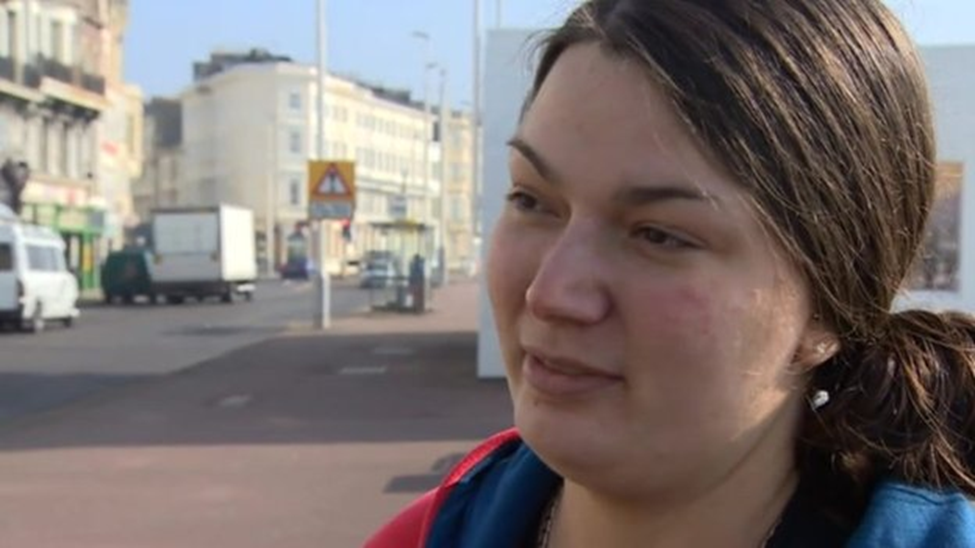
    Chloe Sutton said she and her family wanted answers about how her father James Sutton died
Police pursuing a disqualified driver ran down and killed a pedestrian on Wednesday night. The officers  were searching for the a motorist, reportedly seen at the wheel of a vehicle, when their car hit James Sutton at a junction near the sea front in Hastings, East Sussex.
Mr Sutton, a 46 years old father from St Leonards, died at the scene, despite efforts to save him. His daughter Chloe said ‘ He liked to drink and I expect he probably had a drink last night, and probably did not know what was happening. At least there’s some sort of relief knowing that he did not suffer’ . An investigation was launched after the accident. The illegal driver was never found.
Witness Chris Paraskeva said 12 police vehicles went to the scene where emergency teams tried to save the man.
Mark Norman the driver of the police car had been injured slightly by broken glass and had been suspended from driving duties while the IPCC conducted its investigation.


Thursday, 4 July 2013

FINE INCREASES FOR UNINSURED DRIVERS

 Fines for Driving Without Car Insurance: What Every Learner Driver in Burnley Needs to Know

Driving without car insurance isn't just risky—it's illegal in the UK. Insurance guards you against financial disaster if the unexpected happens on the road. For learner drivers in Burnley, understanding this is crucial. A simple oversight can lead to heavy fines, penalty points, or even losing your license before you've properly started. This guide breaks down the real consequences, focusing on fines and why staying insured matters, especially for those spending hours with Driving Instructors Burnley trusts.


https://www.youtube.com/watch?v=XjaNA7erbS0


Legal Consequences of Driving Without Insurance in the UK

In the UK, driving without insurance is a serious offence. It means operating any motor vehicle on public roads without at least third-party coverage. This requirement applies broadly to learner drivers and fully licensed motorists alike.

The law excludes driving solely on private land, but the moment you hit public streets, insurance is mandatory. If caught uninsured, you could face a fixed penalty, penalty points, and sometimes a court summons. This isn't just minor paperwork—these penalties can seriously hamper your driving record.

For new drivers in Burnley, working with professional Driving Instructors Burnley offers ensures you're guided on legal compliance from day one. They help you avoid costly errors early.

Fixed Penalty Notices and Fine Amounts

Most drivers caught without insurance face a fixed penalty notice with a £300 fine. This serves as an immediate financial deterrent.

If the fine isn’t paid promptly or the case proceeds to court, the amount can rise significantly. Beyond money, a fine hits your wallet and your confidence, signaling the high cost of skipping insurance.

Penalty Points and Driving Ban Risks

Alongside fines, uninsured driving usually adds 6 to 8 points on your license. For learner drivers, this is a dangerous setback—it can delay passing your driving test or lead to a driving ban. Repeat offenders risk harsher consequences like license suspension.

Points translate into higher insurance premiums down the line, as insurers view you as a greater risk. Early mistakes grow into long-term financial burdens.

Court Proceedings and Larger Fines

If the offense is severe or repeated, courts may get involved. Court fines easily exceed £1,000 and can come with driving disqualifications.

New drivers face added stress and complexity from court cases. Avoiding this can save you disruption and keep your driving journey on track.

How Driving Without Insurance Affects Learner Drivers in Burnley

Learner drivers in Burnley must be especially mindful. Insurance offences can stall your path to a full license and raise costs dramatically.

Picking the right Driving Lesson Burnley providers matters. Experienced instructors not only teach driving skills but ensure you meet legal requirements every step of the way, preventing costly mistakes.

Insurance Requirements During Driving Lessons

During lessons, insurance is required but often covered by professional instructors. This means learners don’t always need separate cover if learning with a reputable school.

At Afzal Driving Lessons in Burnley, proper insurance is part of every lesson — protecting you and showing compliance with the law. This peace of mind lets you focus fully on learning.

Risks of Driving Uninsured for New Drivers

New drivers might assume learner insurance covers all scenarios or forget to check if a vehicle is insured before driving. These slips lead to fines and stress, unnecessarily complicating the learner journey.

Knowing how insurance applies during lessons and private driving is key to avoiding trouble.

Preventing Fines: How to Stay Insured and Legal

Avoiding fines means cultivating safe habits around car insurance. Regular checks, knowing your policy, and staying informed protect you both legally and financially.

Work with certified Driving Instructors Burnley trusts who prioritise legal safety alongside skill-building.

Choosing the Right Insurance Policy

Look for learner-specific policies that fit your driving needs. Temporary insurance options may suit short-term situations, but permanent learner cover is often the best route.

Insurance brokers can help find tailored policies, while direct providers may offer convenient online services.

Checking and Renewing Insurance Regularly

Cultivate simple habits like confirming insurance before driving and setting renewals reminders. Read your insurance papers so you fully understand coverage.

These steps keep you on the right side of the law without surprises.

Learning from Trusted Driving Instructors in Burnley

Partnering with reputable instructors adds layers of protection. Apart from quality teaching, you get guidance on legal must-haves. Afzal Driving Lessons in Burnley combine expert training with insurance compliance to keep learners safe and legal.

Conclusion

The fines and penalties for driving without insurance are steep—and learner drivers in Burnley especially feel the impact. From immediate fines to penalty points, court troubles, and soaring insurance costs, the risks multiply quickly.

Staying properly insured isn’t just about avoiding fines. It protects you, other road users, and supports your journey toward confident, lawful driving. For learner drivers, beginning with professional driving lessons, like those at Afzal Driving Lessons in Burnley, is the smartest step to learn skills and legal responsibility side by side.

Drive safe, stay insured, and make your path to a full license smooth and secure.

                                          www.afzalschoolofmotoring.com